7 Simple Ways to Cut Your Electricity Bill This Summer

Your Electricity Bill tends to spike every summer, and if you’ve ever opened that envelope in shock, you’re definitely not alone. Rising temperatures mean air conditioners run longer, fans spin harder, and refrigerators work overtime — all of which push your Electricity Bill higher month after month. The good news is that a few targeted changes around your home can make a real, noticeable difference. In this guide, we’ll walk you through 7 simple, proven ways to cut your Electricity Bill this summer without sacrificing comfort.
Table of Contents
Why Does Your Electricity Bill Spike in Summer?
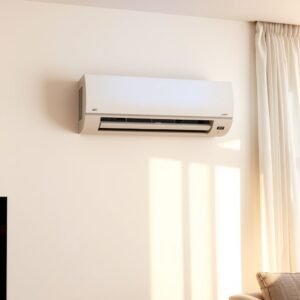
Before tackling solutions, it helps to understand the problem. Summer heat forces cooling appliances — especially air conditioners — to work much harder than they do in milder months. An AC unit that runs for 10 hours a day in June can easily account for 50–60% of your total Electricity Bill.
Appliances like refrigerators and freezers also consume more power in warm weather because they’re constantly fighting ambient heat to keep food cold. Add in fans, dehumidifiers, and the extra lighting from longer social gatherings at home, and it’s easy to see why your Electricity Bill balloons between June and August.
The encouraging part? Most of these costs are controllable. You don’t need expensive smart-home gadgets or a full home renovation — just a few smart habits and simple fixes.
1. Keep Your AC Filter Clean
A clogged or dirty AC filter forces your unit to draw more power to push air through the blockage. Studies by energy agencies consistently show that a dirty filter can increase an AC’s energy consumption by 5–15%, which shows up directly on your Electricity Bill.

Cleaning your filter is one of the easiest wins available. During peak summer months, aim to check the filter every two to three weeks. If you have pets or live near a dusty road, check it even more frequently.
Not sure how to do it safely? Our guide on how to clean an AC filter at home walks you through the whole process step by step, with no special tools required. A clean filter keeps your Electricity Bill lower and extends the life of your unit.
2. Set Your Thermostat Wisely
The temperature you set on your thermostat has an outsized impact on your Electricity Bill. Every degree you lower the target temperature forces the AC to run longer cycles, consuming more electricity. Energy authorities like the U.S. Department of Energy recommend setting your thermostat to around 26°C (78°F) when you’re home and higher when you’re away.
If your home has a programmable or smart thermostat, use the scheduling feature. Set the temperature to rise automatically during the hours you’re at work, then cool down just before you return. This avoids running the AC all day on an empty house — a surprisingly common and costly mistake.
Even raising the thermostat by just 1–2 degrees can noticeably reduce your Electricity Bill over a full summer. It’s a small comfort trade-off with a real financial payoff.
3. Use Fans Strategically to Reduce Your Electricity Bill
Ceiling fans and stand fans use a fraction of the electricity that an air conditioner does — often less than 5% of the power. Used smartly, fans can let you raise the thermostat temperature by a few degrees while still feeling just as cool, which directly trims your Electricity Bill.
The key is to use fans only when someone is in the room. Fans cool people, not spaces — they work by creating a wind-chill effect on skin. Leaving a fan running in an empty room adds to your Electricity Bill without benefiting anyone.
For ceiling fans, check the rotation direction. In summer, blades should spin counter-clockwise (when viewed from below) to push cool air downward. Most ceiling fans have a small switch on the motor housing to change direction.
Pairing a fan with your AC set a couple of degrees higher is one of the most effective and effortless ways to keep your Electricity Bill manageable all season.
4. Block Heat Before It Enters Your Home
Your AC can only cool the air inside your home — it can’t stop heat from pouring in through windows and walls. Reducing that heat gain is one of the most powerful ways to cut your Electricity Bill, because a cooler home simply requires less cooling.
Start with your windows. South- and west-facing windows receive the most direct afternoon sun. Closing blinds, curtains, or external shutters on these windows during the hottest part of the day — roughly 11am to 4pm — can reduce indoor heat gain significantly. Reflective window film is a low-cost option that blocks a large portion of solar heat without darkening your room.
Roof and wall insulation also makes a dramatic difference over time. If your home is poorly insulated, heat seeps in through the ceiling and walls, and your AC runs almost continuously to compensate. Good insulation is an upfront investment, but it cuts your Electricity Bill season after season.
Even simple steps like sealing gaps around door frames and windows with weatherstripping can stop cool air from leaking out, keeping your Electricity Bill lower without any lifestyle change.
5. Switch to Energy-Efficient Appliances and Lighting
Older appliances are frequently major culprits behind a high Electricity Bill. An older AC unit, refrigerator, or washing machine might use 30–50% more electricity than a modern energy-rated equivalent doing exactly the same job.
If replacing appliances isn’t in the budget right now, focus on the low-hanging fruit: lighting. Replacing incandescent bulbs with LED alternatives is one of the fastest ways to reduce your Electricity Bill. LEDs use roughly 75–80% less energy and produce far less heat — a double benefit in summer, since less heat from bulbs means your AC doesn’t have to work as hard.
For appliances you’re already running, use the Energy Star product directory to compare energy ratings before your next purchase. The difference in annual running costs between a standard model and an efficient one can be substantial.
Also, unplug chargers, TVs, and other electronics when they’re not in use. Many devices draw ‘standby power’ continuously, which silently adds to your Electricity Bill over weeks and months.
6. Run High-Energy Appliances at Off-Peak Times
Washing machines, dishwashers, tumble dryers, and electric ovens are among the biggest contributors to a summer Electricity Bill. If your electricity provider offers time-of-use pricing — where rates are cheaper at night or early morning — shifting these tasks to off-peak hours can produce real savings.
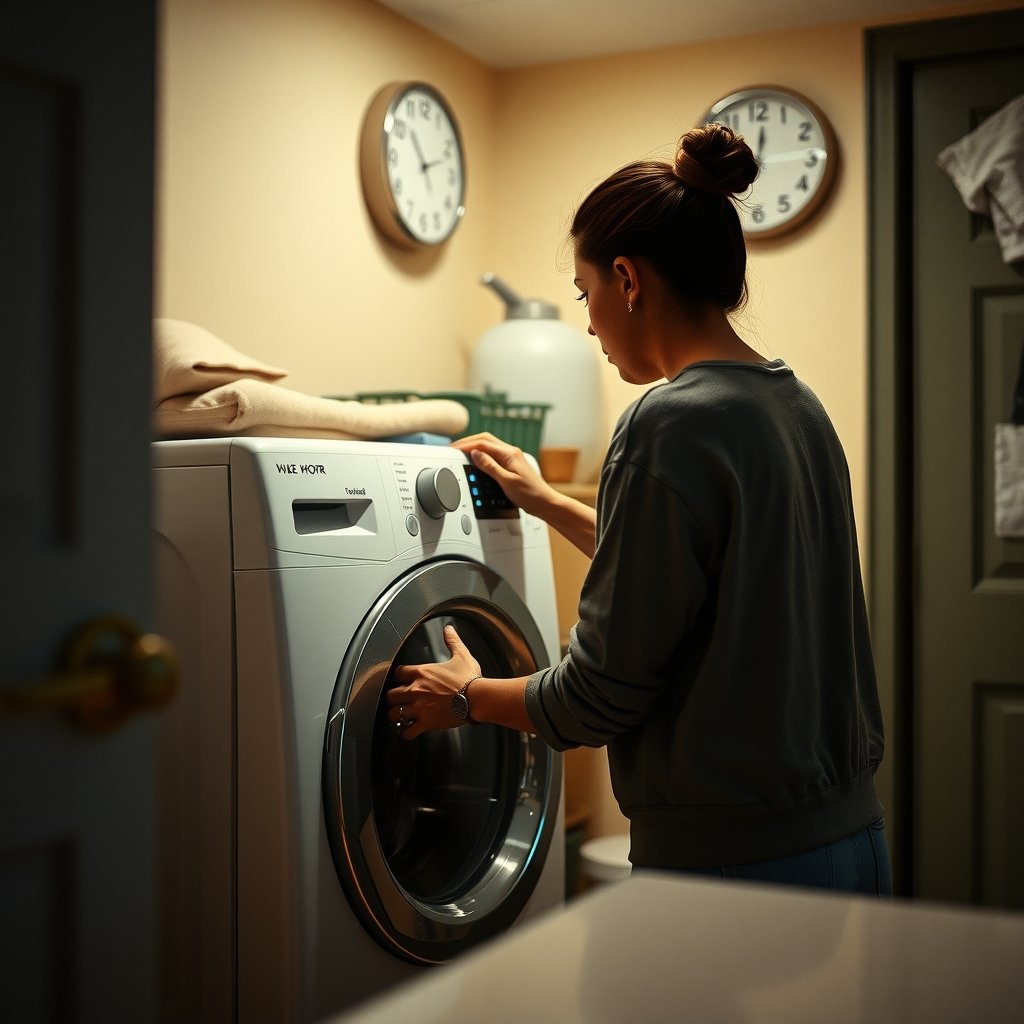
Even if your tariff doesn’t vary by time, running appliances in the early morning or late evening keeps heat out of your home during the hottest hours. This reduces the load on your air conditioner, which in turn cuts your Electricity Bill indirectly.
Check with your energy provider about time-of-use plans. Many providers now offer these plans specifically because they help balance grid demand, and the savings passed to consumers can be meaningful. The International Energy Agency highlights demand-side management as one of the most effective household strategies for reducing energy costs.
Doing laundry at night and air-drying clothes instead of using the dryer is a simple habit that trims your Electricity Bill without any real sacrifice.
7. Monitor Your Usage and Spot Hidden Drains
You can’t manage what you don’t measure. One of the most reliable ways to get your Electricity Bill under control is to understand exactly where your power is going. Many utility providers now offer online dashboards or monthly breakdowns showing which categories of appliance use the most electricity.
Plug-in energy monitors (sometimes called smart meters or energy monitors) let you check the real-time wattage of individual appliances. Plugging your old refrigerator into one of these devices often reveals a surprisingly large chunk of your Electricity Bill that you hadn’t attributed to it.
Once you know your biggest power drains, you can make targeted decisions. Maybe the old second fridge in the garage that you barely use is adding more to your Electricity Bill than you imagined — and emptying and unplugging it for summer is an easy fix.
Reviewing your Electricity Bill month-on-month and comparing it to the same period in previous years also helps you track whether your efforts are paying off. Progress is motivating, and seeing your Electricity Bill drop reinforces the habits that caused it.
Comparing the 7 Ways at a Glance
| Strategy | Effort Level | Upfront Cost | Impact on Electricity Bill |
|---|---|---|---|
| Clean AC filter regularly | Low | Free | Medium–High |
| Raise thermostat 1–2°C | Very Low | Free | Medium |
| Use fans strategically | Low | Low | Medium |
| Block heat with curtains/film | Low | Low–Medium | High |
| Switch to LED and efficient appliances | Medium | Low–High | High |
| Shift to off-peak usage | Low | Free | Medium |
| Monitor and eliminate hidden drains | Medium | Low | Medium–High |
Final Thoughts
Your Electricity Bill doesn’t have to be a source of dread every summer. The 7 strategies above range from completely free (raising the thermostat, shifting laundry to night) to modest one-time investments (LED bulbs, window film) — and each one genuinely moves the needle on your Electricity Bill over the course of a season.
The most effective approach is to stack several of these habits together. Cleaning your AC filter, blocking afternoon sun, and running the dishwasher at night might each save a modest amount individually, but combined they can produce a noticeably lower Electricity Bill by the end of summer.
Start with the free changes today, and plan the small investments over the coming weeks. Your future self — and your bank account — will appreciate the lighter Electricity Bill waiting for you at the end of summer.
Frequently Asked Questions
What uses the most electricity in summer?
Air conditioning is typically the single largest driver of your Electricity Bill in summer, often accounting for more than half of total usage. Refrigerators, water heaters, and high-wattage appliances like tumble dryers are the next biggest contributors. Identifying and managing these appliances is the fastest way to lower your Electricity Bill.
How much can I realistically cut my Electricity Bill this summer?
The savings vary based on your starting habits and home setup, but combining several of the strategies in this guide — like cleaning your AC filter, raising the thermostat by 2°C, and switching to LED lighting — can produce a meaningful reduction in your Electricity Bill. We’d rather not name a specific percentage, because every home is different, but many households notice a clear difference within the first month.
Does unplugging devices really help reduce my Electricity Bill?
Yes, though the impact of any single device is small. The savings add up when you consider how many devices are on standby at once — TVs, game consoles, phone chargers, microwaves — all drawing low levels of power continuously. Over a full month this ‘vampire power’ can represent a noticeable portion of your Electricity Bill, especially in a larger household.
Is it worth upgrading to a smart thermostat to save on my Electricity Bill?
A smart thermostat can be a helpful tool, but it’s not essential. The core principle — not running the AC at full power when no one is home — can be applied with any programmable thermostat or even manually. If you’re already disciplined about thermostat settings, a smart thermostat may deliver only marginal additional savings on your Electricity Bill relative to its cost.