How to Clean an AC Filter at Home: A Simple Step-by-Step Guide
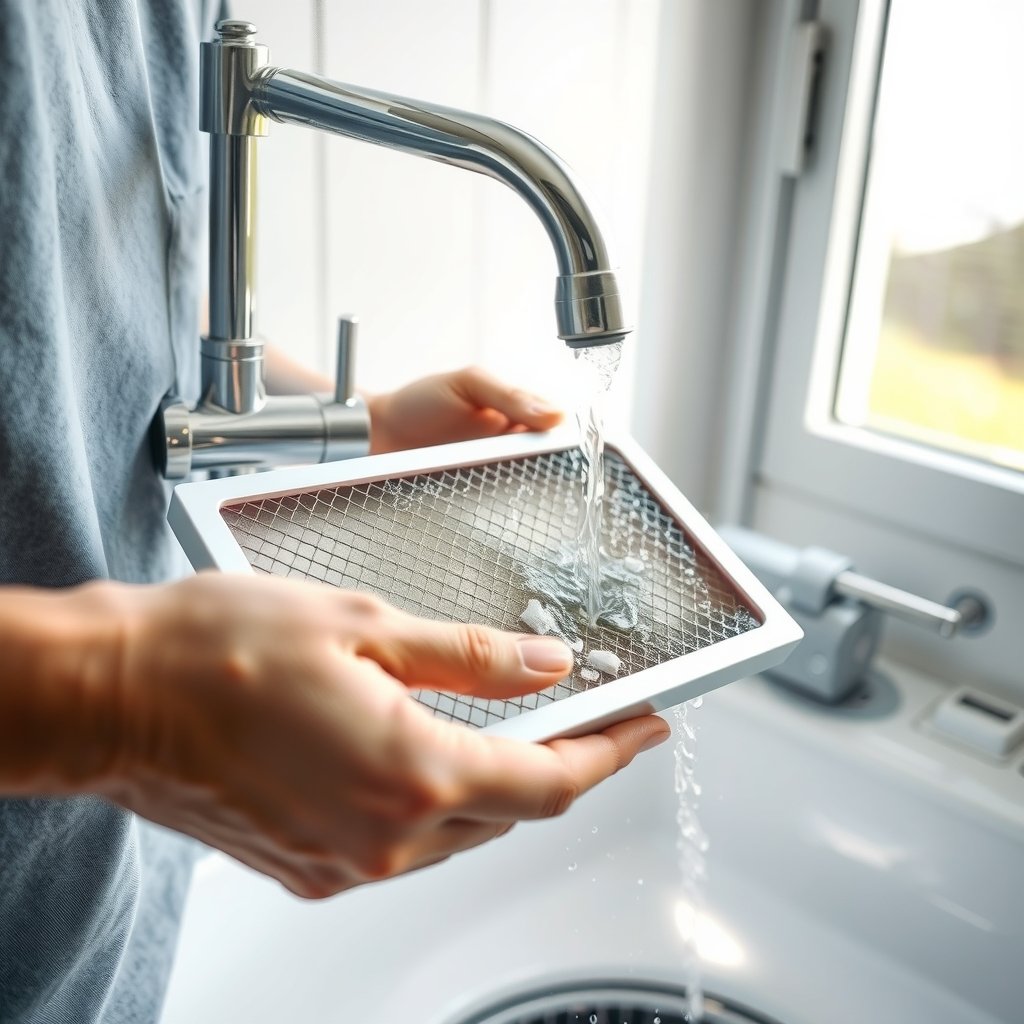
How to Clean an AC Filter at Home: A Simple Step-by-Step Guide is exactly what every homeowner needs at least once a month during peak cooling season. A clogged filter forces your air conditioner to work harder, spikes your energy bill, and pushes dust straight back into the air you breathe. In this guide you’ll learn what tools to gather, how to safely remove and clean your filter, how to dry it properly, and when it’s time to replace it rather than clean it — all without calling a technician.
Key Takeaways
- Clean reusable AC filters every 2–4 weeks during heavy use, or at least every 60–90 days otherwise.
- Always turn the AC unit completely off before removing the filter.
- Gentle vacuuming followed by a cool-water rinse removes the vast majority of dust and allergens.
- Never use hot water, strong solvents, or a pressure washer — they warp or tear the filter mesh.
- A filter that is visibly torn, misshapen, or stays discoloured after cleaning should be replaced, not reused.
Table of Contents
Why Cleaning Your AC Filter Actually Matters
Most people underestimate how much a dirty filter costs them. When airflow through the filter drops — because dust has built up — the evaporator coil can’t absorb heat efficiently. The compressor then runs longer cycles to reach the set temperature, which raises electricity consumption noticeably.
Beyond energy costs, a blocked filter is one of the leading causes of frozen evaporator coils and water leaks inside the unit. Indoor air quality also suffers: particulates that would normally be trapped circulate freely around the room. Following How to Clean an AC Filter at Home: A Simple Step-by-Step Guide correctly resolves all three problems at once.
The U.S. Department of Energy notes that replacing or cleaning a dirty AC filter can lower the unit’s energy consumption by 5–15%, which adds up over a long cooling season.
What You’ll Need Before You Start
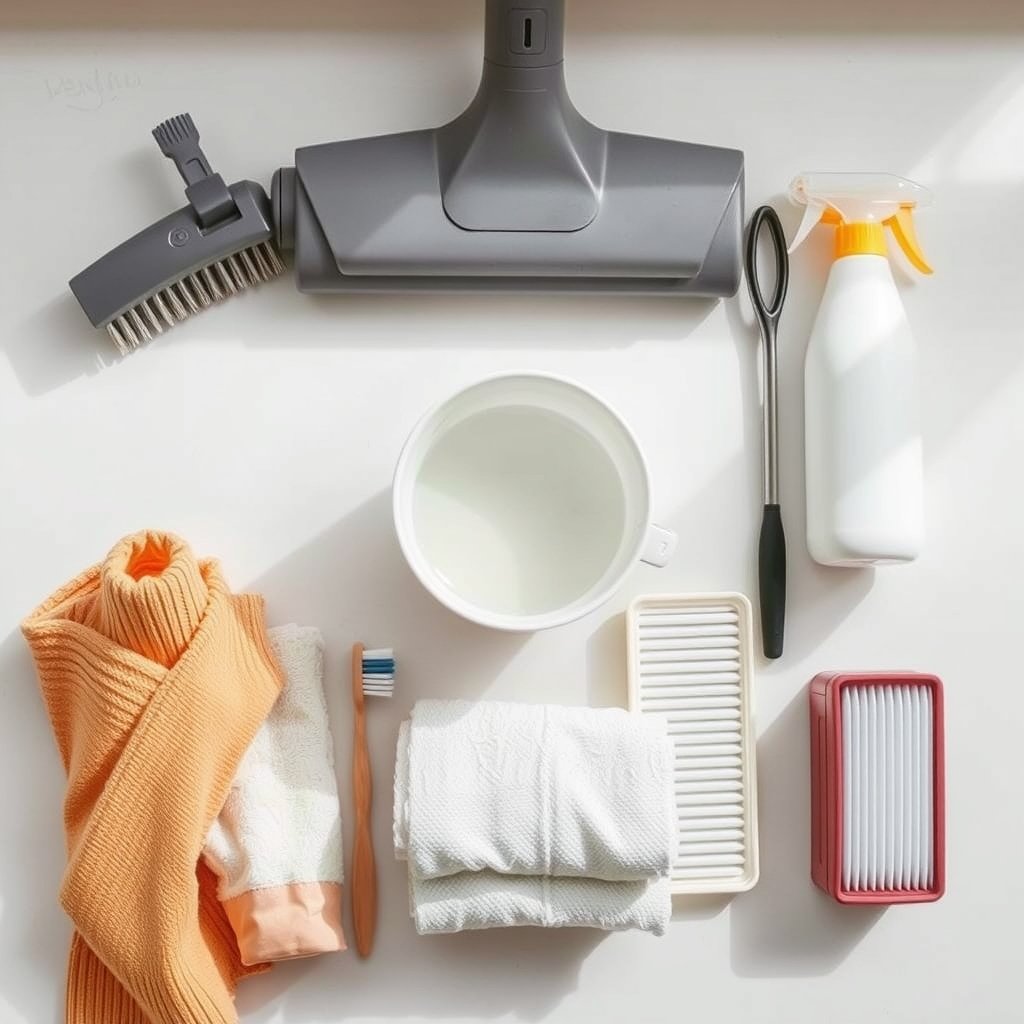
Gathering your supplies first makes the whole process faster and cleaner. You don’t need specialist equipment — most of this is already in a typical home.
- Soft-bristle vacuum brush — for the initial dry dust removal.
- Lukewarm water — cool or lukewarm, never hot.
- Mild dish soap or white vinegar — both are effective, low-risk cleaning agents.
- Soft cloth or old toothbrush — for gently scrubbing stubborn spots.
- Clean, dry towels — for blotting after rinsing.
- A flat drying surface — a clean countertop or drying rack out of direct sunlight.
Having everything ready before you follow How to Clean an AC Filter at Home: A Simple Step-by-Step Guide means you won’t be rushing back and forth while the unit is open and unprotected.
How to Clean an AC Filter at Home: A Simple Step-by-Step Guide — The Full Process
This is the core of How to Clean an AC Filter at Home: A Simple Step-by-Step Guide. Follow the steps in order and you’ll have a fresh, fully functional filter back in place within about an hour.
Step 1 — Turn Off the AC Unit Completely
Switch the unit off at the thermostat AND at the circuit breaker or wall switch. This isn’t just about safety from moving parts; it also stops the fan from pulling unfiltered air through the open slot while you work. Never skip this step.
Step 2 — Locate and Remove the Filter
On a window or split AC unit, the filter usually sits behind the front grille panel. On a central HVAC system, filters are typically in the return-air vent or inside the air handler cabinet. Slide or clip the filter out carefully — tilt it so loose dust falls away from you, not into the room.
Take a quick photo of the filter’s orientation before you pull it. Reinserting it backwards is a common mistake that dramatically reduces its effectiveness.
Step 3 — Vacuum the Loose Dust
Hold the filter over a rubbish bin or outside, and use a soft-bristle vacuum attachment to remove surface dust on both sides. Work slowly in straight lines from top to bottom. This dry step is essential — wetting a heavily caked filter first just turns dust into a stubborn paste. This is why How to Clean an AC Filter at Home: A Simple Step-by-Step Guide always recommends vacuuming before rinsing.
Step 4 — Rinse With Lukewarm Water
Hold the filter under a running tap with the water flowing against the direction of normal airflow — this pushes trapped particles out the way they came in. Use gentle pressure only. A showerhead on a wide spray setting works well for larger filters. Avoid bending or scrubbing at this stage; just let the water do the work for 30–60 seconds.
Step 5 — Apply a Mild Soap or Vinegar Solution (If Needed)
For greasy or heavily soiled filters — common in kitchen areas or homes with pets — mix a few drops of mild dish soap into a bowl of lukewarm water, or use a 50/50 mix of white vinegar and water. Submerge the filter and let it soak for 10–15 minutes. Then use a soft cloth or old toothbrush to gently work the solution into the mesh. Rinse thoroughly afterwards until no soap residue remains.
The EPA’s indoor air quality guidance emphasises that residual cleaning agents left on a filter can off-gas into your indoor air, so a thorough final rinse is non-negotiable.
Step 6 — Shake Off Excess Water and Blot Dry
Give the filter a few gentle shakes to dislodge pooled water, then lay it flat on a clean dry towel. Press another towel lightly on top to blot — don’t wring or twist. The mesh or fibres can distort permanently if stressed while wet.
Step 7 — Allow the Filter to Air-Dry Completely
This is the step most people rush, and it’s the most important. Reinserting a damp filter promotes mould growth inside the unit, which can cause musty odours and genuine air quality problems. Leave the filter to air-dry in a well-ventilated area, away from direct sunlight (UV degrades some filter materials). Depending on humidity, drying takes anywhere from 1 to 3 hours. If you’re running How to Clean an AC Filter at Home: A Simple Step-by-Step Guide on a hot, breezy day, drying is faster — do it in the morning so the AC is ready by afternoon.
Step 8 — Reinsert the Filter and Restart the Unit
Check that the filter is completely dry by touching every section, including the edges. Align it with the arrow or orientation markings (or your earlier photo), slide it back into the slot, and secure any clips or the front panel. Restore power at the breaker, then turn the thermostat back on. Listen for normal airflow — you should notice a quieter, stronger output within a few minutes.
How Often Should You Follow This Guide?
The right frequency depends on your situation. How to Clean an AC Filter at Home: A Simple Step-by-Step Guide should be done more often in some households than others.
| Household Situation | Recommended Cleaning Frequency |
|---|---|
| Single occupant, no pets, low dust | Every 60–90 days |
| Average family home | Every 30–60 days |
| Home with one or more pets | Every 20–30 days |
| Allergy or asthma sufferers | Every 15–20 days during peak season |
| High-dust environment (near construction etc.) | Every 10–15 days |
Keep a simple calendar reminder — it’s easy to forget when you last cleaned the filter. Many people who stick to a schedule report that each individual cleaning session becomes quicker and easier, because the filter never builds up a heavy caked layer.
Common Mistakes That Undo All Your Hard Work
Even when people know How to Clean an AC Filter at Home: A Simple Step-by-Step Guide, a few avoidable errors can negate the effort or even damage the unit.
- Using hot water: Hot water warps thermoplastic frames and can melt or permanently set dust into synthetic fibres. Stick to cool or lukewarm water.
- Using a pressure washer or strong jet: The force can tear fine mesh filters. A gentle tap flow is always enough.
- Reinserting a damp filter: Even slightly damp filters create conditions for mould. Touch-test every inch before reinstalling.
- Using harsh chemicals (bleach, acetone, ammonia): These can degrade filter materials and release fumes into your air supply.
- Inserting the filter backwards: The filter’s layered structure is directional. Reversed installation can restrict airflow even more than a dirty filter.
- Skipping the vacuum step: Going straight to water on a caked filter creates a paste that is very hard to rinse out completely.
When to Replace Rather Than Clean
Not every filter is reusable. Some disposable fibreglass or paper-core filters are designed for one use only and will fall apart if washed. Even reusable filters have a finite life. Following How to Clean an AC Filter at Home: A Simple Step-by-Step Guide regularly extends filter life, but you should replace rather than clean if you notice:
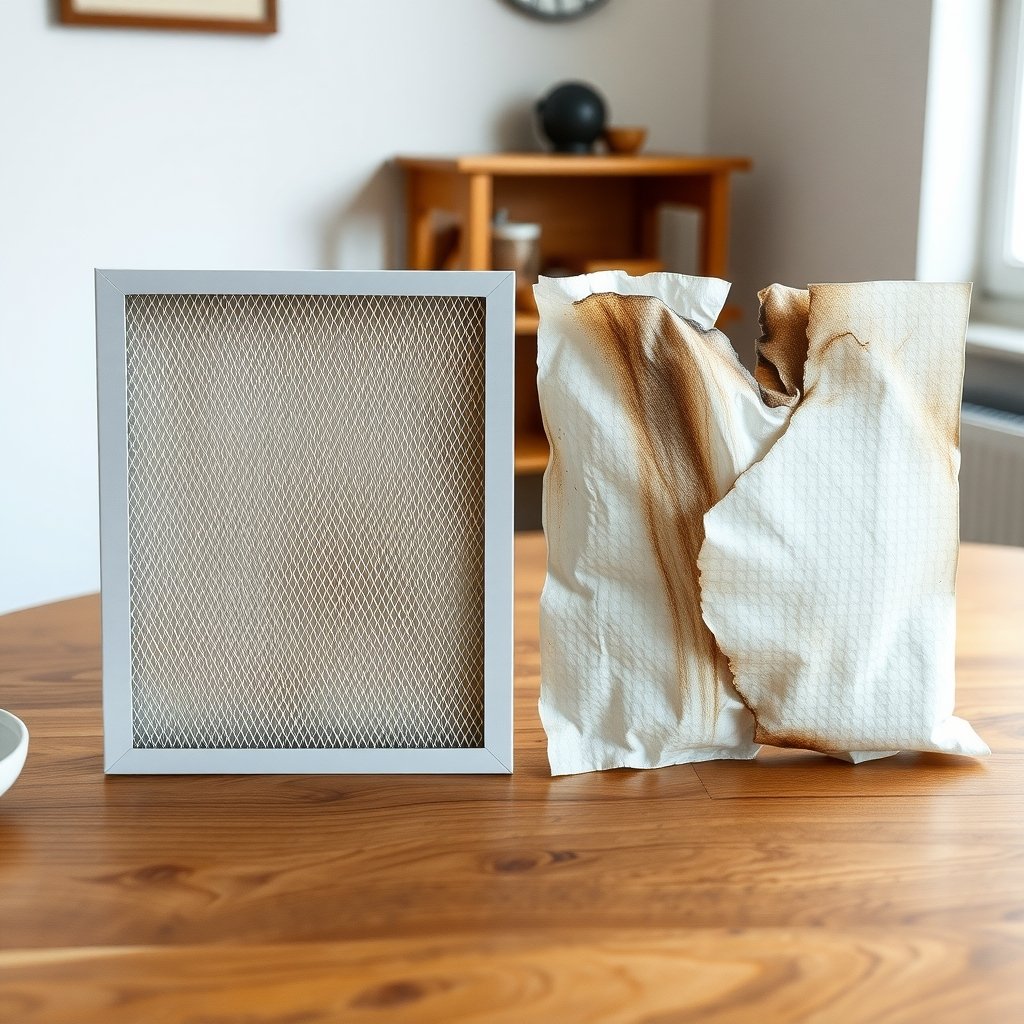
- Visible tears, holes, or collapsed sections in the mesh or frame.
- Persistent dark grey or black discolouration after cleaning (can indicate mould embedded in the material).
- A bent or warped frame that no longer creates a tight seal in the slot.
- The filter has been in service for more than the manufacturer’s stated lifespan (often 3–6 months for reusable types, or 1–3 months for standard disposables).
Check your unit’s manual or the filter itself for the manufacturer’s replacement guidance. The American Society of Heating, Refrigerating and Air-Conditioning Engineers (ASHRAE) provides detailed standards on filter ratings and replacement cycles if you want to go deeper on filter specifications.
Tips for Keeping Your Filter Cleaner for Longer
Cleaning is essential, but there are practical habits that slow down the rate at which your filter gets dirty — meaning you get more time between each session of How to Clean an AC Filter at Home: A Simple Step-by-Step Guide.
- Vacuum floors and soft furnishings regularly. The less dust in the room, the less the filter collects.
- Keep windows and doors closed when the AC is running. Open windows let in outdoor particulates that overwhelm the filter faster.
- Groom pets frequently. Pet hair and dander are among the fastest cloggers of residential AC filters.
- Use doormats and remove shoes at the door. This cuts down on tracked-in soil and dust significantly.
- Change or clean your vacuum filter too. A dirty vacuum can redistribute fine particles into the air rather than removing them.
These small habits compound over time. Households that combine regular AC filter cleaning with good general housekeeping tend to find the filter stays noticeably cleaner between sessions.
Frequently Asked Questions
Can I use a hairdryer to speed up drying the filter?
It’s not recommended. High heat from a hairdryer can warp plastic frames and damage synthetic filter fibres, reducing their ability to trap particles. If you need to speed things up, place the filter in a warm, well-ventilated spot and use a fan on its cool setting to circulate air around it. Patience here genuinely pays off.
Is How to Clean an AC Filter at Home: A Simple Step-by-Step Guide the same for all AC types?
The core steps are the same — turn off, remove, vacuum, rinse, dry, reinstall — but the filter’s location and removal method differ between window units, portable ACs, mini-splits, and central HVAC systems. Always consult your unit’s manual for the exact removal procedure before attempting anything. The cleaning method itself (lukewarm water, mild soap, full drying) applies across virtually all reusable filter types.
How do I know if my filter is reusable or disposable?
Reusable filters typically have a rigid plastic or metal frame and a washable mesh or electrostatic material. Disposable filters have a cardboard frame and a fibrous, paper-like medium — these will disintegrate if you try to wash them. When in doubt, check the label printed on the filter’s frame or look up your unit’s model number in the manufacturer’s documentation.
What MERV rating should I look for in a replacement filter?
MERV (Minimum Efficiency Reporting Value) ratings run from 1 to 20, with higher numbers capturing smaller particles. For most residential AC units, a MERV 8–13 filter balances good air filtration with adequate airflow. Filters above MERV 13 can restrict airflow in systems not designed for them, potentially causing the same problems as a dirty filter. Check your HVAC manufacturer’s recommended range before choosing a replacement.
Final Thoughts
Following How to Clean an AC Filter at Home: A Simple Step-by-Step Guide takes less than an hour and costs nothing beyond water and a drop of dish soap. The payoff — lower energy bills, cleaner air, fewer repair call-outs, and a longer-lived AC unit — is real and consistent. Set a calendar reminder based on the frequency table above, gather your simple supplies, and make filter cleaning a regular habit rather than an emergency fix. Your AC will thank you, and so will your electricity meter. When you share How to Clean an AC Filter at Home: A Simple Step-by-Step Guide with others in your household, you make it even more likely the routine sticks — because anyone can do it, not just the designated “home maintenance person.”